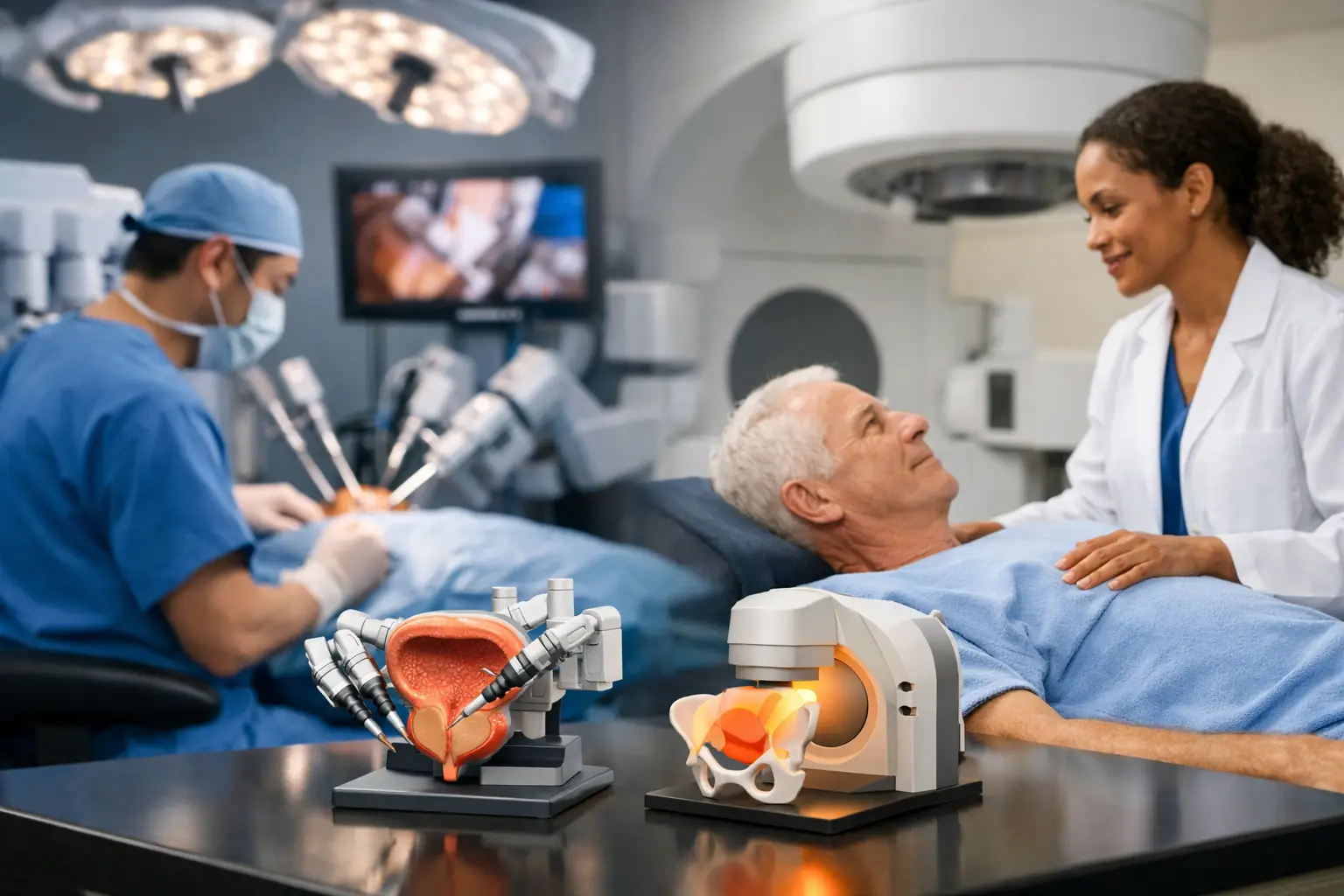
For many men, the question of erectile dysfunction after prostate surgery is not only medical – it is personal. Sexual function can affect confidence, relationships, and a sense of normalcy after treatment. The good news is that changes in erections after surgery are common, treatable, and often improve with time and the right care plan.
Why prostate surgery can affect erections
An erection depends on healthy blood flow, nerve signals, hormones, and emotional well-being. The nerves that trigger erections run very close to the prostate. During surgery to remove the prostate for cancer, called radical prostatectomy, those nerves may be stretched, irritated, bruised, or, in some cases, need to be removed to treat the cancer thoroughly.
Even when a surgeon can perform a nerve-sparing procedure, temporary erectile dysfunction is still common. Nerves recover slowly, and the penis may not receive its usual oxygen-rich blood flow while erections are absent. This is why erectile recovery is often measured in months rather than days or weeks.
The type of procedure matters. Erectile dysfunction is most closely associated with radical prostatectomy for prostate cancer. Procedures for enlarged prostate, such as transurethral surgery or laser treatment, are less likely to cause erectile dysfunction, although they can affect ejaculation. Some men experience retrograde ejaculation, where semen goes into the bladder rather than out through the penis. This is different from erectile dysfunction and should be discussed before treatment.
What affects recovery after prostate surgery?
There is no single timeline that applies to every patient. Some men notice gradual improvement within several months, while others need 18 to 24 months or longer to reach their best possible recovery. For some, erections may not return without treatment.
Recovery depends on several factors, including erectile function before surgery, age, diabetes, cardiovascular disease, smoking history, medication use, and whether one or both erectile nerves could be preserved. The extent and location of the cancer may also affect the surgical approach. When cancer control requires removal of tissue near the nerves, a surgeon may recommend a plan that prioritizes complete treatment of the cancer.
It is also normal for early erections to feel different. They may be less firm, less reliable, or require more stimulation than before. Orgasm can still be possible after prostate removal, but it is usually dry because the prostate and seminal vesicles no longer produce semen. Some men also notice changes in penile length or curvature. Bringing these concerns up early allows your urologist to address them rather than leaving you to manage them alone.
When should treatment begin?
Many specialists discuss sexual rehabilitation before surgery, not months after it. Setting expectations early helps patients and partners understand that recovery may take time and that treatment can be part of the healing process.
The best timing depends on your procedure, healing, medical history, and goals. In many cases, erectile dysfunction treatment begins after the surgeon confirms that recovery is progressing safely. The goal is not to pressure a patient into sexual activity before he feels ready. It is to support penile blood flow, preserve tissue health, and give recovery the best possible opportunity.
A personalized plan matters. A man with mild erectile dysfunction before surgery may start with a different approach than someone with diabetes, significant heart disease, or no erections several months after a non-nerve-sparing procedure.
Treatment options for erectile dysfunction after prostate surgery
Oral medications known as PDE5 inhibitors are often the first option. These medications can increase blood flow to the penis when sexual stimulation is present. They may be taken as needed or on a regular schedule, depending on the treatment plan. After prostate surgery, they may be less effective at first because nerve signaling is still recovering. That does not mean they will never help.
When pills do not provide a firm enough erection, other options can be very effective. A vacuum erection device uses gentle suction to draw blood into the penis, followed by a tension ring to help maintain the erection. It is noninvasive, and some men use it as part of a rehabilitation plan even before natural erections return.
Penile injection therapy is another well-established option. A small medication injection into the side of the penis creates an erection by directly increasing blood flow. The thought of injections can feel intimidating, but patients are taught the technique carefully in the office. Many find that it becomes straightforward with practice and offers more dependable results than oral medication during nerve recovery.
For men who do not respond adequately to these approaches or want a permanent solution, a penile implant may be considered. This outpatient surgical treatment places a device inside the penis that allows a man to create an erection when desired. Implants have high satisfaction rates for appropriately selected patients, but they are generally considered after less invasive options have been explored.
Other treatments may be discussed in specific situations. Testosterone testing may be appropriate if symptoms suggest low testosterone, although testosterone therapy does not replace treatments that address nerve-related erectile dysfunction. Shockwave therapy is sometimes marketed for ED, but its role after prostate surgery remains less established than medications, devices, injections, and implants. A thoughtful evaluation can help separate promising options from treatments that may not fit your clinical situation.
The emotional side of recovery deserves attention
Erectile dysfunction after prostate surgery can bring frustration, grief, anxiety, or concern about a partner’s expectations. Those feelings are understandable. Surgery may have been necessary and successful, yet the changes that follow can still be difficult.
Open communication can reduce pressure. Partners often benefit from hearing that erectile recovery is a medical process, not a reflection of attraction or effort. Intimacy does not have to wait for a fully reliable erection, and counseling or sex therapy can be valuable for individuals or couples who feel stuck, discouraged, or disconnected.
Depression, anxiety, sleep problems, and relationship stress can also make erectile dysfunction more difficult to manage. Addressing these concerns is part of comprehensive care, not a separate issue to be ignored.
Questions to bring to your urology visit
A productive visit starts with clear goals. Tell your urologist what erectile function was like before surgery, whether you have spontaneous or partial erections now, and how the changes are affecting you. It is also helpful to review all medications, especially blood pressure medicines, nitrates, blood thinners, and treatments for diabetes or heart disease.
Consider asking whether nerve-sparing surgery was possible, what recovery timeline is realistic in your case, and when rehabilitation should begin. If a first treatment does not work well, ask what the next option is rather than assuming you have run out of choices. Effective care often involves adjusting the approach over time.
At Urology Experts, conversations about sexual health are handled with discretion, compassion, and a focus on your quality of life. The right treatment plan should account for your surgery, overall health, comfort level, and personal goals.
Recovery can require patience, but you do not have to simply wait and hope. A timely discussion with a urologic specialist can turn an uncertain part of recovery into a clear plan for moving forward.