Hearing that you have prostate cancer can make every next step feel bigger than it should. Many men assume the choice is immediate and extreme – remove the prostate, start radiation, or simply watch and wait. In reality, focal therapy for prostate cancer has created a middle ground for select patients who want treatment aimed at the cancer while trying to protect urinary and sexual function.
This approach is getting attention for a reason. It reflects a more precise way of treating prostate cancer, especially when the disease appears confined to a specific area of the gland. But it is not the right fit for everyone, and that is where careful evaluation matters.
What focal therapy for prostate cancer actually means
Focal therapy treats the known area of cancer inside the prostate instead of treating the entire gland. The goal is to destroy the tumor while leaving as much healthy prostate tissue, nearby nerves, and surrounding structures untouched as possible.
That idea sounds simple, but the planning behind it is highly detailed. Before any treatment is considered, doctors need a clear map of the cancer. That typically depends on prostate MRI, targeted biopsy results, PSA trends, prostate size, overall health, and a close review of whether the cancer appears truly localized.
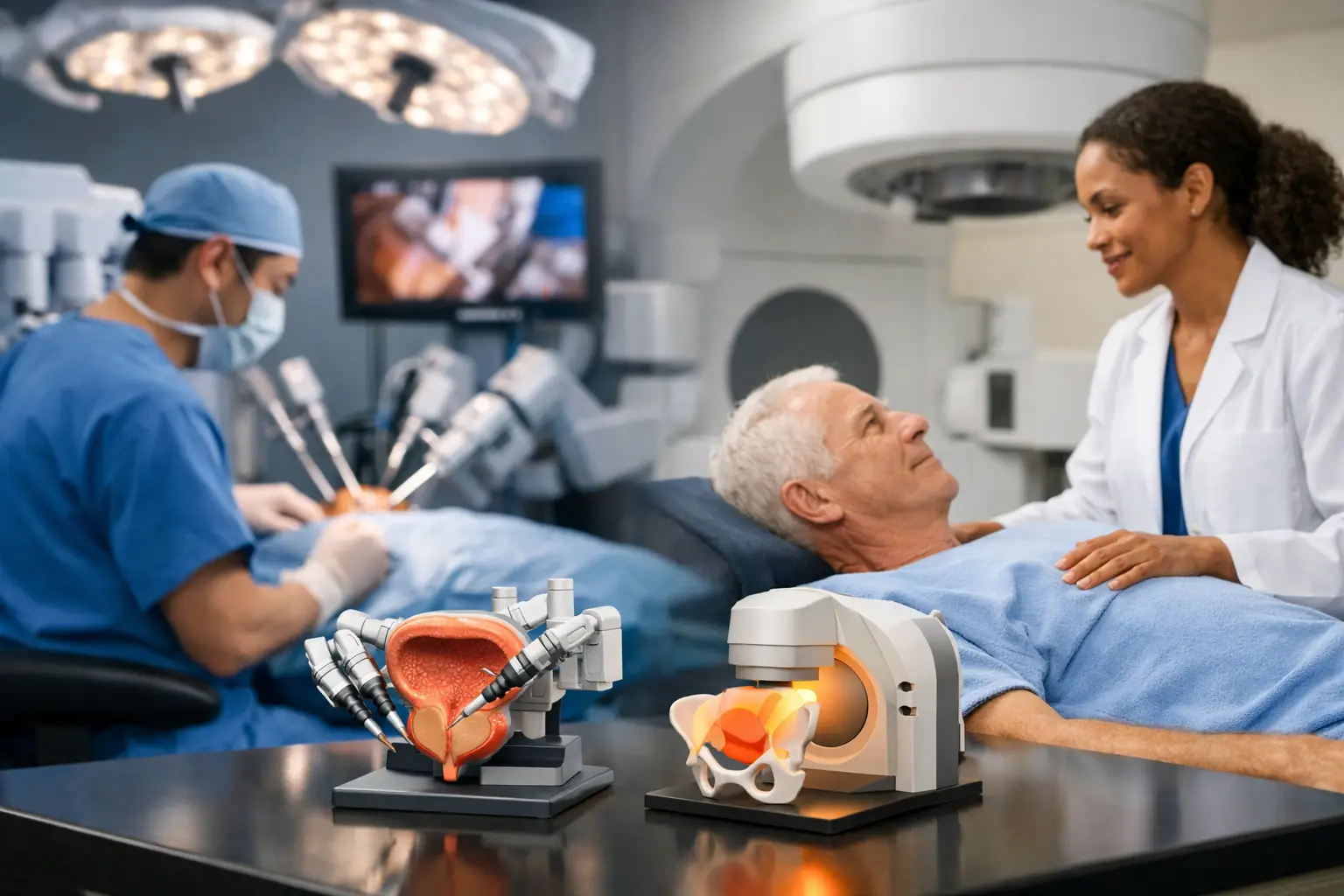
Several technologies can be used for focal treatment. These may include high-intensity focused ultrasound, cryotherapy, laser ablation, or other energy-based techniques. The specific method matters, but patient selection matters more. The best outcomes usually come when the right treatment is matched to the right tumor pattern.
Why some men ask about focal therapy
For many patients, the biggest concern is not only cancer control. It is also what life may look like after treatment. Men often worry about urinary leakage, erectile dysfunction, bowel issues, recovery time, and how long they may be away from work or daily routines.
That is why focal therapy has become appealing. By targeting only the cancerous part of the prostate, it may reduce the treatment burden compared with surgery or whole-gland radiation. In the right patient, that can mean a faster recovery and a lower risk of certain side effects.
Still, lower risk does not mean no risk. Focal therapy can affect urination, sexual function, or cause temporary irritation and discomfort. It can also require ongoing surveillance afterward, because untreated portions of the prostate remain in place.
Who may be a candidate for focal therapy for prostate cancer
In general, focal therapy is most often considered for men with localized prostate cancer that appears limited to one area or a small portion of the prostate. It may be an option when imaging and biopsy findings show a clearly defined target and no strong sign that the cancer is widespread throughout the gland.
Men with intermediate-risk disease are often the group most commonly evaluated for this approach, although every case is different. Some men with low-risk cancer may do better with active surveillance, where the cancer is monitored rather than treated right away. Others with more extensive or aggressive disease may need surgery, radiation, or combination treatment because a focal approach could leave too much cancer behind.
Age alone does not decide candidacy. A healthy older adult may still be considered, while a younger man with multifocal or higher-risk cancer may not be. Prior prostate procedures, urinary symptoms, prostate anatomy, and overall treatment goals also shape the decision.
This is one of the clearest examples of why prostate cancer care should not be one-size-fits-all. Two men with similar PSA levels may end up with very different recommendations once imaging, biopsy details, and quality-of-life priorities are taken into account.
How the evaluation process works
If focal therapy is being considered, the workup is usually more detailed than many patients expect. That is a good thing. Precision treatment depends on precise diagnosis.
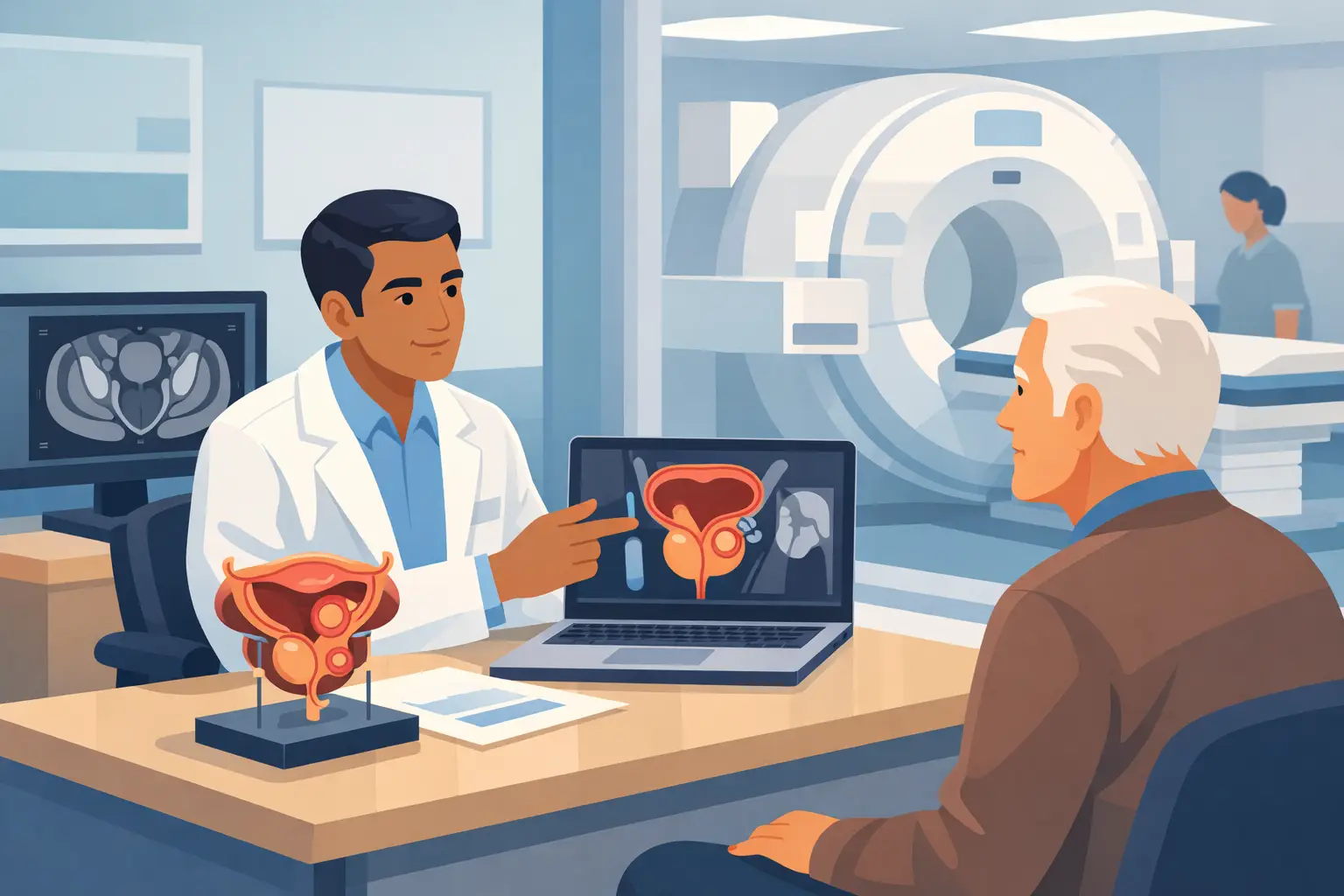
A multiparametric MRI is often used to identify suspicious lesions and define where the cancer may be located. Targeted biopsy, sometimes combined with systematic biopsy, helps confirm the grade and extent of disease. Your urologist may also review PSA density, family history, prior biopsy findings, and whether there is any concern for cancer in multiple areas.
The central question is not just, “Do you have prostate cancer?” It is, “Where exactly is it, how aggressive is it, and how confidently can we treat the meaningful disease without missing something important elsewhere?”
That level of evaluation can feel intense, but it helps avoid both undertreatment and overtreatment. In a specialty practice focused on advanced urologic care, that planning stage is where personalized treatment really begins.
Potential benefits and real trade-offs
The main advantage of focal therapy is tissue preservation. When only part of the prostate is treated, there is potential to maintain better urinary continence and sexual function than with more extensive treatment. Many procedures are minimally invasive, done with less downtime, and designed around quicker recovery.
For the right patient, that can be a major quality-of-life benefit. It may also feel emotionally easier to choose a treatment that is active, but not as aggressive as whole-gland therapy.
The trade-off is that focal therapy is not a shortcut. It usually requires close follow-up with PSA testing, imaging, and sometimes repeat biopsy. There is also the possibility that cancer could persist, recur, or later appear in another untreated part of the prostate.
Some men are very comfortable with that surveillance plan. Others prefer the certainty of removing or radiating the entire gland, even if side effects may be more likely. Neither mindset is wrong. The best option depends on cancer characteristics and on how each patient weighs cancer control against functional outcomes.
How focal therapy compares with surgery, radiation, and surveillance
Surgery removes the prostate and provides whole-gland treatment. It can be an excellent option, especially for men with disease that is not ideal for focal treatment. Radiation treats the entire prostate as well and remains a standard, effective approach for many patients.
Compared with these treatments, focal therapy is more selective. That selectivity is its strength, but also its limitation. If cancer is spread across different areas of the gland, treating only one spot may not be enough.
Active surveillance sits on another part of the spectrum. It avoids immediate treatment and monitors low-risk cancer over time. For some men, that is the smartest path. For others, especially when there is a visible lesion or signs that the cancer may be more significant, focal therapy may offer treatment without jumping straight to whole-gland therapy.
This is why comparison matters more than hype. A modern prostate cancer plan should start with the question, “What gives this patient the best balance of cancer control and quality of life?” not, “What is the newest treatment available?”
What recovery and follow-up may look like
Recovery depends on the technology used, prostate size, baseline urinary function, and the area treated. Some men return to normal activity relatively quickly, while others need more time for urinary symptoms or temporary discomfort to settle down.
After treatment, follow-up is essential. PSA levels are monitored, but PSA alone does not tell the whole story because the prostate remains in place. Repeat MRI and, in some cases, follow-up biopsy may be recommended to confirm treatment success and monitor the rest of the gland.
Patients sometimes hear “minimally invasive” and assume follow-up will be minimal too. That is not usually the case. Focal therapy aims to reduce treatment burden, not eliminate the need for ongoing cancer surveillance.
Choosing a practice with the right expertise
Because focal therapy depends on imaging, biopsy accuracy, treatment planning, and thoughtful follow-up, experience matters. This is not simply about having access to a device. It is about having a team that can determine whether the therapy is truly appropriate and, just as importantly, when it is not.
At Urology Experts, that patient-centered approach is part of what advanced care should look like – clear explanations, modern technology, and treatment recommendations shaped around the individual rather than a standard script.
If you have been diagnosed with prostate cancer and are wondering whether there is an option between active surveillance and whole-gland treatment, focal therapy may be worth discussing. The right next step is not to assume it fits or dismiss it outright, but to get a careful evaluation that respects both the biology of the cancer and the life you want to protect.